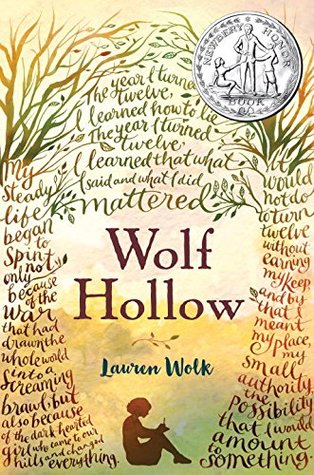
For most authors, we’ve heard this advice at some point in our writing journey. But does it work? Does writing stories based on our own life experiences create a compelling narrative that readers won’t want to put down? Sort of!
Writing what you know doesn’t mean jotting down the mundane details of your everyday life. That’s journaling, and really isn’t fit for widespread consumption. Heck, I don’t even want my family to read my journals! It also doesn’t mean writing the story of your life, unless you’re writing a memoir. But for fiction, I’m a firm believer in using specific events in my life as fodder for my stories.
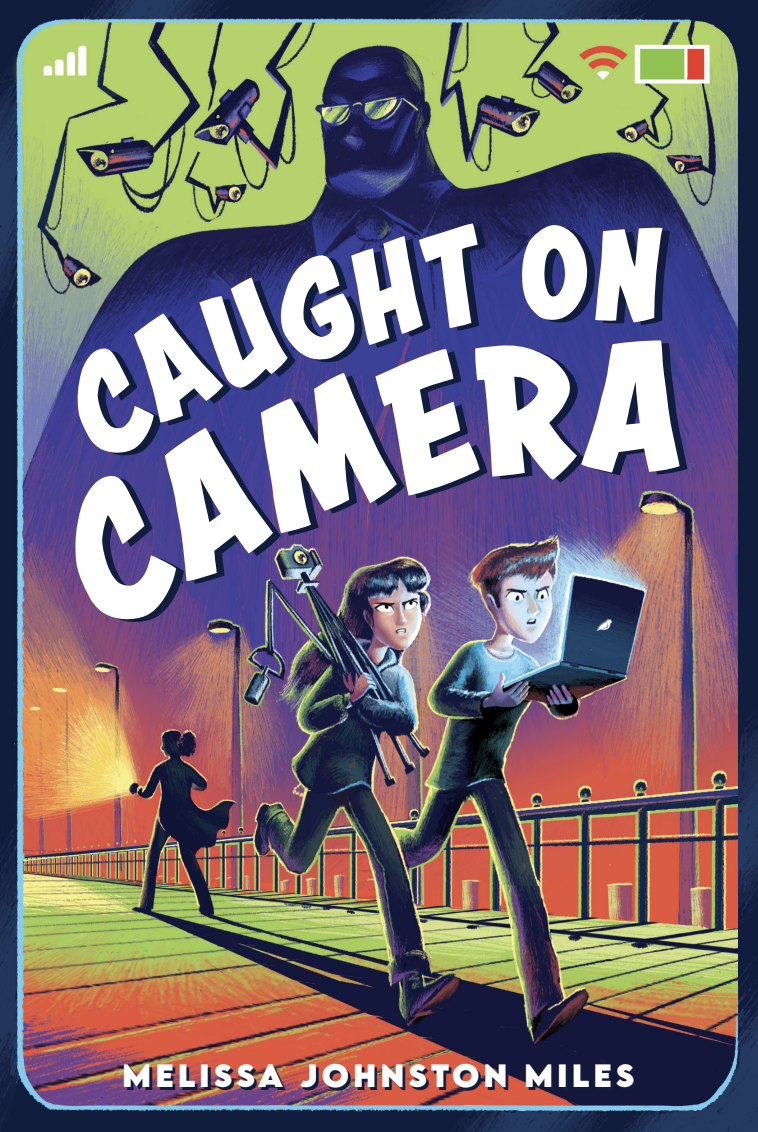
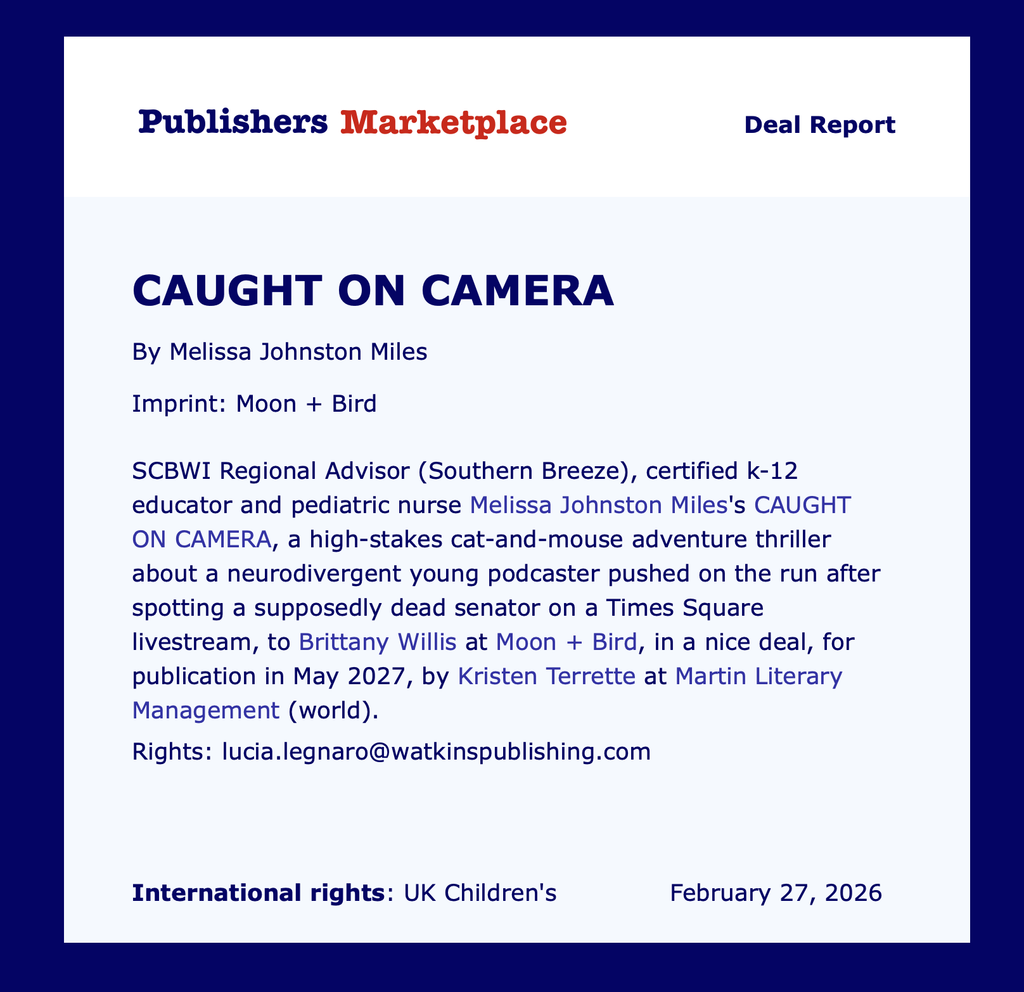
The trick to this is to pick something that’s happened to you, or to someone in your life. Then start asking “what if?” over and over until you’ve got something tantalizing enough to create a fictionalized version of that event. I’ve applied this approach to several manuscripts, but I’m going to break down this process for my upcoming MG novel, Caught on Camera.
Here is a breakdown of how the idea for my novel began with an everyday event in my life and grew with each “what if” question I applied to it. While teaching fourth grade in Effingham County, Georgia, our school system’s Reading textbook was Harcourt Trophies, an anthology of stories grouped by theme. One of the stories we taught from was an excerpt from the Newbery Honor-winning MG novel, The Cricket in Times Square. I seldom had a student who’d seen New York City or Times Square in person. So the passage below didn’t resonate with them.
“One more hop brought him out onto the sidewalk. And there he gasped, holding his breath and crouching against the cement. They were standing at one corner of the Times building, which is at the south end of Times Square. Above the cricket, towers that seemed like mountains of light rose up into the night sky. Even this late the neon signs were still blazing. Reds, blues, greens, and yellows flashed down on him. And the air was full of the roar of traffic and the hum of human beings. It was as if Times Square were a kind of shell, with colors and noises breaking in great waves inside it. Chester’s heart hurt him and he closed his eyes. The sight was too terrible and beautiful for a cricket who up to now had measured high things by the height of his willow tree and sounds by the burble of a running brook.“
The “think and respond” questions for this story asked the kids how the setting affects the lives of the characters, and why it’s so hard for this cricket from a quiet meadow in Connecticut to adjust to life in Times Square. My students struggled to make this connection from the text alone. So, I asked my principal if I could pull up some webcam footage of Times Square at the end of class one day to give the kids a sense of the setting. They all enjoyed the webcams and I think it helped them understand the sensory overload aspect of standing in the middle of all lights and sounds. One of my students, was convinced he saw a crime of someone selling “bootleg DVDs” on the sidewalk. He wanted us to call 911 and watch the police arrive–which we obviously didn’t do. But it planted the first “what if?” seed that grew into this novel.
- What if a student really did see a crime or something similar while watching webcam footage?
- What if no one believed him?
- What if he found archived footage to prove he was right?
- What if he enhanced that footage to get an image of the suspect/crime/criminal?
- What if he started a podcast with tags about conspiracy theories or fake deaths that would garner a lot of views?
- What if powerful people were threatened by this information coming to light?
- What if those people sent someone after him?
- What if the kid had to go on the run from the “bad guys”?
- What if the bad guy caught up to him?
Hopefully, you see where I’m going here. Each “what if?” question raises the stakes and creates an opportunity to write exciting scenes for your protagonist.
I started out writing this novel based on “what I know” from an experience I shared with my fourth-grade students. And it grew from there. If you’re interested in CAUGHT ON CAMERA, you can pre-order a copy here.
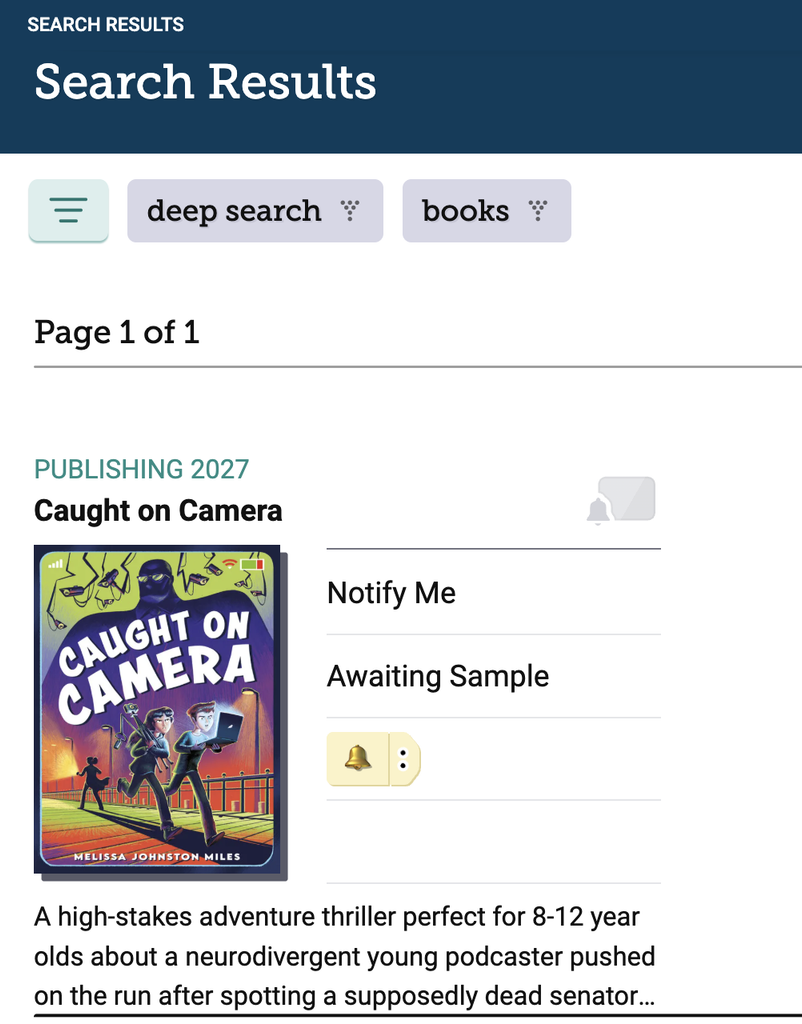
If you want to read the eBook version and you have a Libby App through your library, you can search for the book by title and author and click the “notify me” tag. This lets the purchasing department of your library see interest in the title so they can order it. Then you’ll get a notification that it’s ready to borrow. Here’s a screenshot of what the search and tagging function look like on the app.


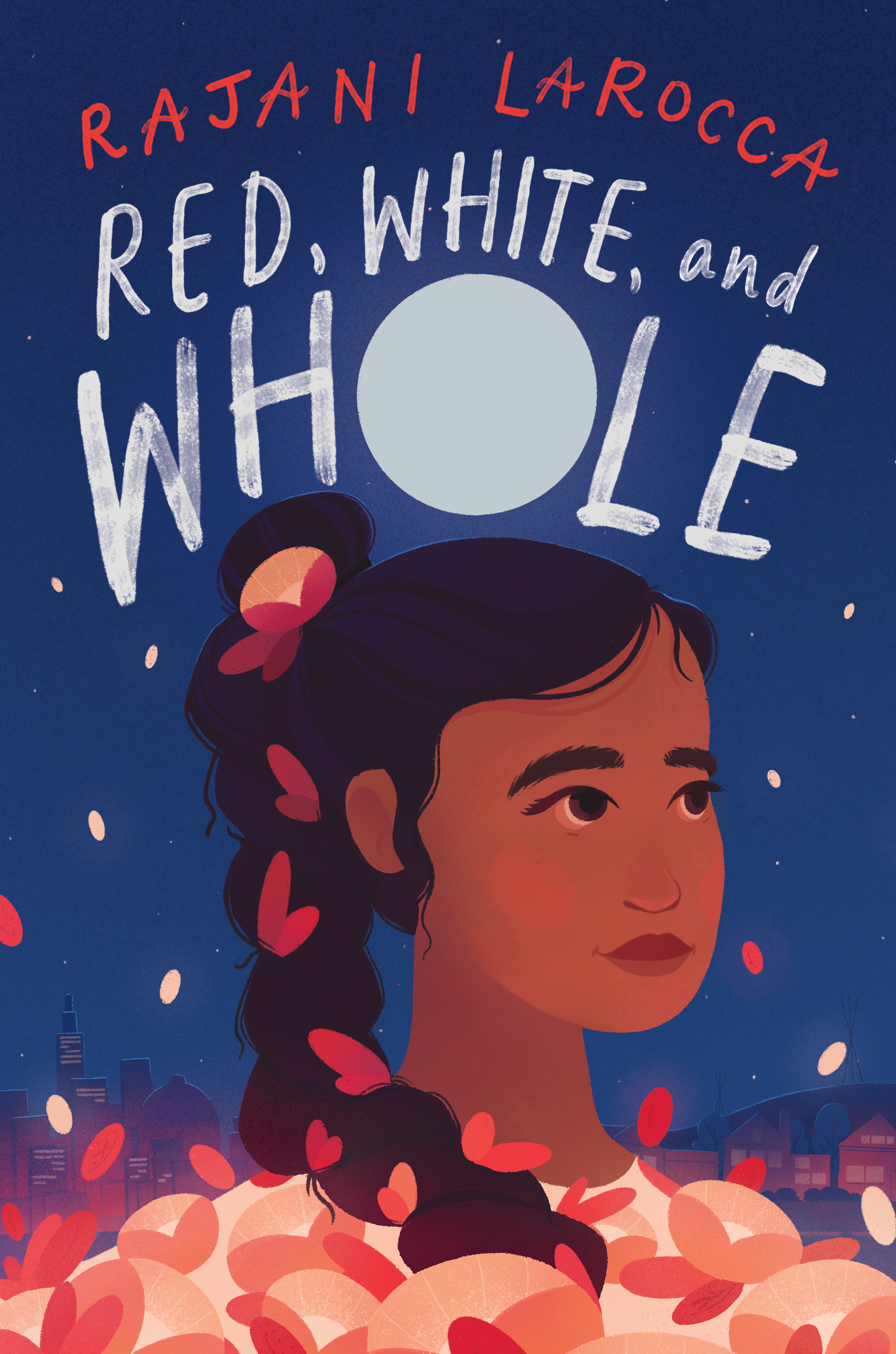 Red, White, and Whole by Rajani LaRocca
February 2021, Quill Tree Books
Red, White, and Whole is a beautifully written and descriptive novel told completely in verse. The rich details about the 1980's pop music, fashion and styles will introduce young readers to a decade long before they were born, and fill older readers (like me!) with nostalgia for our teen years.
Just as she did with Midsummer's Mayhem, author Rajani LaRocca brings food to life in ways that engage the senses and makes your mouth water. I'm definitely craving curry, samosas, and paneer as I'm writing this review!
More than anything, however, this book is about family. Main character Reha loves her family, and they love her. Her parents, like many who relocate to another country, surround themselves with a support network of other people who share their culture and traditions. In addition to this, she has extended family in India. Reha will need the support of all of these people when her mother is diagnosed with Leukemia.
But, Reha also has her school friends and she wants to fit in with them. What 13 y.o. doesn't? But since her mom makes her clothes and her family comes from another country, the reader easily sees how Reha feels as if she sticks out.
I found myself identifying with Reha's struggle to fit in between two worlds--America and India. She doesn't feel as if she truly belongs in either one for much of the novel. The beautiful truth about this story is how universally relatable Reha's journey is. We've all walked that tightrope of our own hopes and dreams vs. our parents' expectations for us. In Reha's case, this is compounded by the fact she's an only child and her parents have sacrificed so much to give her opportunities.
The novel's format suited this poignant story beautifully, as the author skillfully used verse to heighten the emotional impact of some of the most touching scenes. I'd be lying if I didn't admit to crying in a few places. You might want to grab a few tissues before you settle in to read.
This would be a great novel for 4th and 5th grade classrooms. Especially in rural areas like the town in which I currently live. Kids would enjoy the exposure to the different foods, celebrations and attire from Indian culture. I highly recommend this upcoming novel.
Red, White, and Whole by Rajani LaRocca
February 2021, Quill Tree Books
Red, White, and Whole is a beautifully written and descriptive novel told completely in verse. The rich details about the 1980's pop music, fashion and styles will introduce young readers to a decade long before they were born, and fill older readers (like me!) with nostalgia for our teen years.
Just as she did with Midsummer's Mayhem, author Rajani LaRocca brings food to life in ways that engage the senses and makes your mouth water. I'm definitely craving curry, samosas, and paneer as I'm writing this review!
More than anything, however, this book is about family. Main character Reha loves her family, and they love her. Her parents, like many who relocate to another country, surround themselves with a support network of other people who share their culture and traditions. In addition to this, she has extended family in India. Reha will need the support of all of these people when her mother is diagnosed with Leukemia.
But, Reha also has her school friends and she wants to fit in with them. What 13 y.o. doesn't? But since her mom makes her clothes and her family comes from another country, the reader easily sees how Reha feels as if she sticks out.
I found myself identifying with Reha's struggle to fit in between two worlds--America and India. She doesn't feel as if she truly belongs in either one for much of the novel. The beautiful truth about this story is how universally relatable Reha's journey is. We've all walked that tightrope of our own hopes and dreams vs. our parents' expectations for us. In Reha's case, this is compounded by the fact she's an only child and her parents have sacrificed so much to give her opportunities.
The novel's format suited this poignant story beautifully, as the author skillfully used verse to heighten the emotional impact of some of the most touching scenes. I'd be lying if I didn't admit to crying in a few places. You might want to grab a few tissues before you settle in to read.
This would be a great novel for 4th and 5th grade classrooms. Especially in rural areas like the town in which I currently live. Kids would enjoy the exposure to the different foods, celebrations and attire from Indian culture. I highly recommend this upcoming novel.